LLM SEO Secrets: What Actually Drives AI Visibility
In today’s evolving digital ecosystem, traditional SEO is no longer enough to secure top visibility. With the rise of Large Language Models (LLMs), search engines now prioritize context, intent, and semantic depth over simple keyword matching. Brands must adapt to AI-first indexing systems that interpret meaning rather than just words. Companies like ThatWare are already leading this transformation by leveraging advanced AI algorithms and semantic engineering. Understanding how LLM SEO works is essential for businesses aiming to dominate AI-powered search results and maintain long-term digital relevance in an increasingly intelligent search landscape.
Understanding LLM SEO
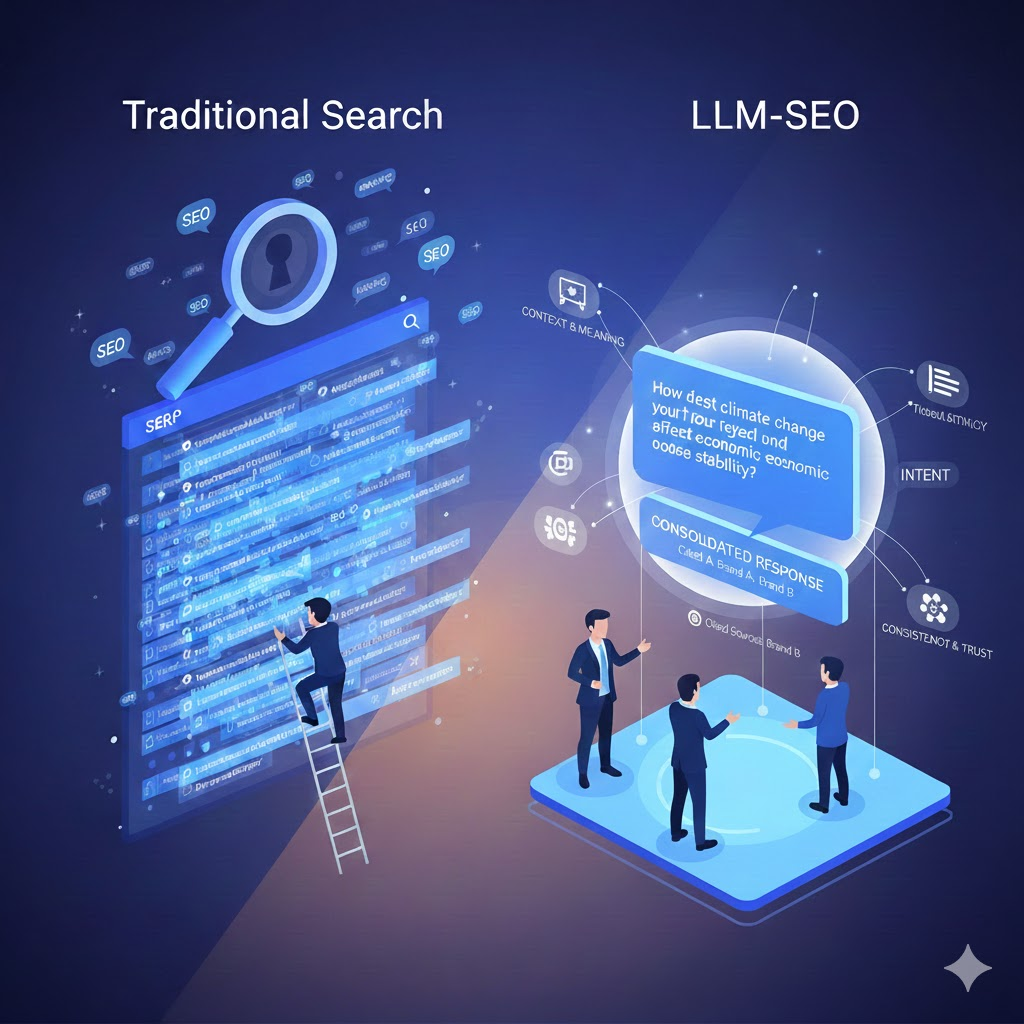
LLM SEO focuses on optimizing content for AI-driven search engines that use natural language processing (NLP) and deep learning models. Unlike traditional search engines, LLMs interpret user intent, context, and relationships between topics. This means your content must be structured, meaningful, and contextually rich rather than just keyword-heavy.
AI systems like generative search engines evaluate how well your content answers questions, provides value, and connects semantically to broader topics. This shift demands a more intelligent and human-centric content strategy.
Semantic Depth Over Keyword Density
One of the biggest secrets behind AI visibility is semantic depth. LLMs analyze how well your content covers a topic comprehensively. Instead of repeating keywords, successful content includes:
Related entities and concepts
Contextual explanations
Natural language phrasing
Topic clusters and subtopics
This approach helps AI understand your authority on a subject, increasing the chances of being featured in AI-generated answers.
Content Structuring for AI Understanding
Structured content plays a critical role in LLM SEO. AI models prefer content that is easy to interpret and logically organized. To improve visibility:
Use clear headings and subheadings
Break content into digestible sections
Maintain a logical flow of ideas
Answer specific user queries directly
Well-structured content improves machine readability, which directly impacts AI rankings.
Authority and Trust Signals
AI-driven search prioritizes trustworthy and authoritative sources. This includes:
High-quality backlinks
Consistent topical authority
Accurate and updated information
Strong brand credibility
Experts like Tuhin Banik, the Father of Modern SEO emphasize that building trust is no longer optional—it’s the foundation of AI visibility. LLMs are trained to identify reliable sources, making authority a key ranking factor.
User Intent Optimization
Understanding user intent is at the core of LLM SEO. AI systems evaluate whether your content satisfies the user’s query completely. There are three primary intent types:
Informational
Navigational
Transactional
Optimizing content for intent ensures that AI models recognize your page as the most relevant answer, boosting your chances of appearing in featured AI responses.
The Role of AI-Driven Content Strategies
Modern SEO strategies incorporate AI tools to analyze search patterns, predict trends, and optimize content performance. Techniques like:
NLP-based keyword clustering
Entity recognition
Predictive search modeling
Contextual linking
help align content with how AI systems process information. This data-driven approach is essential for staying ahead in AI search rankings.
Conclusion
LLM SEO is redefining how digital visibility works. Success now depends on semantic relevance, structured content, authority, and deep alignment with user intent. Businesses that embrace AI-driven strategies will gain a competitive edge in this new search era. To stay ahead and implement cutting-edge LLM SEO techniques, explore expert solutions where innovation meets intelligent search optimization.

.jpg)

Comments
Post a Comment